Internal Ptosis Repair
Conveniently located to serve the areas of Chicago, IL

Internal ptosis repair is a specialized surgical technique aimed at correcting droopy eyelids. (1)
Eye ptosis, or upper eyelid drooping, can develop over time due to aging, trauma, or certain medical conditions and can vary from subtle to severe. With advancements in cosmetic treatment methods, there are now ways to effectively treat ptosis with an office-based procedure that can provide long-term relief.
At Chicago Oculofacial Plastic Surgery, Dr. Paul Phelps specializes in precision eyelid surgeries such as internal ptosis repair. With an emphasis on both aesthetics and functionality, his approach is carefully tailored to your specific anatomy and goals.
To learn how you can get started on your path to revitalized eyelids with internal ptosis repair, schedule a personal consultation with Dr. Phelps by contacting Chicago Oculofacial Plastic Surgery online or by calling (312) 888-5754.
Contents
- 1 About Internal Ptosis Repair
- 2 Benefits
- 3 Ideal Candidates
- 4 Personal Consultation
- 5 Preparation
- 6 Procedure
- 7 Recovery
- 8 Results
- 9 Cost of Internal Ptosis Repair in Chicago
- 10 FAQ
- 10.1 Will insurance cover ptosis repair?
- 10.2 Does internal ptosis repair leave visible scars?
- 10.3 Is internal ptosis repair painful?
- 10.4 How long do the results of internal ptosis repair last?
- 10.5 What if both of my eyelids droop unevenly?
- 10.6 Are there risks with internal ptosis repair?
- 10.7 Is internal ptosis repair the same as a blepharoplasty?
- 10.8 Can internal ptosis repair address undereye bags?
- 11 References
About Internal Ptosis Repair
Internal ptosis repair is a minimally invasive surgical procedure that targets the Müller’s muscles, and sometimes the levator muscles as well, which are responsible for lifting the upper eyelid. In many cases of acquired ptosis, these muscles become stretched or weakened over time. Rather than accessing the eyelid from the outside, internal ptosis repair works from the inside of the eyelid, often using a technique known as Müller’s Muscle Conjunctival Resection (MMCR). This approach allows for effective lifting of the eyelid without an external incision, which avoids visible scarring and supports a faster recovery. (2)
Patients often seek internal ptosis repair when they notice a droopy or asymmetrical look in the upper eyelid area. By shortening and tightening the internal muscles, Dr. Phelps can lift the eyelid to a more natural position, restoring both form and function!
Internal Ptosis Repair vs. Blepharoplasty
Internal ptosis repair and blepharoplasty are two different procedures; Internal ptosis repair focuses on correcting specific muscles that control the opening of the eye, and blepharoplasty is more focused on addressing excess skin and/or bulging fat pads. A skilled surgeon like Dr. Phelps can combine these elements—for example, if a patient is experiencing upper eyelid drooping in addition to under-eye bags, he can perform a lower eyelid lift in conjunction with internal ptosis repair. Through his scientific publications, Dr. Phelps has contributed to the understanding of ptosis and the broader concepts of eyelid harmony and symmetry. (3)
An upper eyelid lift, unlike internal ptosis repair, requires an external incision. Depending on the lower eyelid concerns, Dr. Phelps can use an internal or external incision in this area. During your personal consultation, Dr. Phelps will recommend which procedure(s) will be most beneficial to you.
Benefits
Internal ptosis repair offers a wide range of benefits, both cosmetic and functional. Under Dr. Phelps’ expertise, our patients see improvements through:
- Youthful Appearance: Restoring eyelid position creates a more alert and youthful look, helping patients regain confidence in their appearance.
- Increased Self-Esteem: A more open eye area enhances facial harmony, often leading to improved self-image.
- Long-lasting Results: The effects of surgery typically last a long time, providing enduring improvement in eyelid aesthetics.
- No Visible Scarring: Incisions are made internally, resulting in absolutely no visible scars.
- Tailored Techniques: Dr. Phelps will customize surgical techniques according to the patient’s unique situation, ensuring optimal functional and cosmetic outcomes.
Ideal Candidates
Internal ptosis repair is an excellent option for many individuals who exhibit specific signs of eyelid drooping. You may be a good candidate for internal ptosis repair if you are:
- Experiencing mild to moderate drooping of the upper eyelids
- In good overall health without medical conditions that impair healing
- Not experiencing ptosis caused by nerve or muscle diseases, requiring more extensive repair
- Realistic in your expectations
- Committed to following pre- and post-operative guidelines
Personal Consultation
During your personal consultation, Dr. Phelps will examine your eyelid height and movement, conduct a visual field test if necessary, and assess the structure of your eyelids to determine whether internal ptosis repair is the most appropriate solution. You will have the opportunity to ask questions and discuss any concerns you may have. Together, you and Dr. Phelps will develop a personalized treatment plan that aligns with your desired outcomes.
To schedule this personal consultation and get started on your path to internal ptosis repair, contact Chicago Oculofacial Plastic Surgery online or by calling (312) 888-5754.
Preparation
Proper preparation is essential to ensure a safe and effective procedure. Once your internal ptosis repair is scheduled, Dr. Phelps will provide comprehensive pre-operative instructions. These may include:
- Discontinuing the use of certain medications or supplements, especially those with blood-thinning properties
- Avoiding tobacco products, as nicotine interferes with circulation and healing
- Arranging transportation home from the surgery center
- Ensuring you have support at home during the initial recovery phase
- Following any prescribed pre-surgery eye care routines to reduce the risk of infection
Dr. Phelps values the importance of properly preparing for procedures and will be available to guide you through every step of the preparation process.
Procedure
Anesthesia will keep you comfortable throughout the process. Dr. Phelps will access the inside of the upper eyelid through the conjunctiva, the mucous membrane lining the inner surface of the eyelid. He will then locate and adjust the Müller’s muscle, which helps control eyelid elevation.
By removing a small segment of this muscle and securing the tissue, the upper eyelid is elevated to a more natural and symmetrical position. Because the procedure does not involve external incisions, it preserves the natural contour of the eyelid and eliminates the risk of visible scars. The entire procedure usually takes under an hour, and you can expect to return home the same day.
Recovery
Recovery from internal ptosis repair is generally straightforward and well-tolerated. You can expect mild swelling and bruising around the eyelid, which is normal and typically resolves within a week or two. You may be instructed to use cold compresses, lubricating eye drops, or prescribed ointments to support healing and comfort. Most patients can return to light activities within a few days, though Dr. Phelps will advise you on when it is appropriate to return to strenuous activities. You are encouraged to schedule follow-up visits with Dr. Phelps so he can monitor your progress.
Results

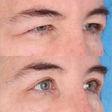
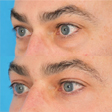
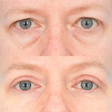
Once you have fully completed the healing process, your eyelid will appear more lifted and balanced. While some improvement is often visible immediately after surgery, the final results of internal ptosis repair will become more apparent over the next few weeks as swelling fully resolves. Dr. Phelps’s meticulous technique and deep understanding of eyelid anatomy ensure consistent, long-lasting results. Patients frequently report improved visual fields, less eye fatigue, and greater satisfaction with their facial appearance after undergoing this procedure.
Cost of Internal Ptosis Repair in Chicago
The cost of internal ptosis repair varies depending on your unique anatomy, whether one or both eyelids are treated, and whether additional procedures are performed at the same time. Dr. Phelps’s staff will provide you with a personalized price estimate during your personal consultation. If you have any questions about pricing before your personal consultation, please refer to our pricing page.
To learn how you could benefit from internal ptosis repair, please schedule a consultation today. If you have any questions or prefer to schedule over the phone, please call us at (312) 888-5754.
FAQ
Will insurance cover ptosis repair?
In some cases, yes. If the procedure is deemed medically necessary due to visual obstruction, your insurance may provide coverage. A visual field test may be required. We cannot guarantee insurance coverage for all patients, but our staff can help you navigate your coverage possibilities.
Does internal ptosis repair leave visible scars?
No. Because the procedure is performed from the inside of the eyelid, there are no external incisions and no visible scarring.
Is internal ptosis repair painful?
Most patients experience minimal discomfort, especially with local anesthesia. Some mild soreness or tightness may occur during recovery, but it is easily managed with medication.
How long do the results of internal ptosis repair last?
Results are typically long-lasting. However, the natural aging process continues, and some patients may need additional treatments years later.
What if both of my eyelids droop unevenly?
Dr. Phelps will evaluate both eyelids and adjust each one as needed to create a balanced, symmetrical result.
Are there risks with internal ptosis repair?
As with any surgical procedure, risks include infection, under- or overcorrection, or asymmetry. Choosing a skilled specialist like Dr. Phelps helps minimize these risks.
Is internal ptosis repair the same as a blepharoplasty?
No. Internal ptosis repair with the Müller’s Muscle Conjunctival Resection technique makes corrections to specific muscles with internal incisions. More generalized blepharoplasty focuses on removing excess tissue and tightening the muscles throughout the eyelids with slightly different techniques. These procedures, however, can be combined if necessary.
Can internal ptosis repair address undereye bags?
Internal ptosis repair will not address undereye bags. If this is a concern you have, Dr. Phelps may recommend a lower blepharoplasty.
References
- Kirthi Koka, Patel BC. Ptosis Correction. Nih.gov. Published September 16, 2019. https://www.ncbi.nlm.nih.gov/books/NBK539828/
- Kiran Sajja, Putterman AM. Müller’s Muscle Conjunctival Resection Ptosis Repair in the Aesthetic Patient. Saudi Journal of Ophthalmology. 2010;25(1):51-60. doi:https://doi.org/10.1016/j.sjopt.2010.10.011
- Phelps PO, Wladis EJ, Meyer DR. Association of Involutional Lower Eyelid Entropion with Reduced Upper Eyelid Position Relative to the Corneal Light Reflex: Quantification of Facial Asymmetry. Ophthalmic Plastic & Reconstructive Surgery. 2018;34(5):467-471. doi:https://doi.org/10.1097/iop.0000000000001059