Eyelid Retraction Repair and Orbital Decompression
Conveniently located to serve the areas of Chicago, IL

Thyroid eye disease, also called Graves’ disease, is a condition that can cause the eyes to bulge, restrict vision, and create other cosmetic concerns. Without proper treatment, patients face an increased risk of vision loss, corneal damage, and other complications. Eyelid retraction repair and orbital decompression are two ways specialists can effectively correct these issues.
Dr. Paul Phelps is a board-certified oculofacial plastic surgeon and a member of the Oculofacial Society. He leads Chicago Oculofacial Plastic Surgery with an artistic eye to create life-changing improvements using the latest technologies and techniques.
Contact us online or call our office at (312) 888-5754 to schedule your personal consultation.
Contents
- 1 About Eyelid Retraction Repair and Orbital Decompression
- 2 Benefits
- 3 Candidates
- 4 Personal Consultation
- 5 Preparation
- 6 Procedure
- 7 Recovery
- 8 Results
- 9 Corresponding Procedures
- 10 Cost of Eyelid Retraction Repair and Orbital Decompression in Chicago, IL
- 11 FAQ
- 11.1 Why is it better to combine eyelid retraction repair with an orbital decompression?
- 11.2 What does an eyelid retraction repair and orbital decompression procedure target?
- 11.3 What are the benefits of an eyelid retraction repair and orbital decompression procedure?
- 11.4 Can I pair an eyelid retraction repair and orbital decompression procedure with any other treatments?
- 11.5 How long is the recovery for an eyelid retraction repair and orbital decompression procedure?
- 11.6 Who is a good candidate for an eyelid retraction repair and orbital decompression procedure?
- 12 References
About Eyelid Retraction Repair and Orbital Decompression
Orbital decompression relieves pressure inside the eye socket by removing small amounts of bone or orbital fat, while eyelid retraction repair repositions an upper or lower eyelid that is pulled too high/too low/exposing too much white of the eye. (1) Combining these two surgical procedures addresses both the underlying bone structure and the soft tissues simultaneously.
Dr. Phelps may combine an upper, lower, or quad blepharoplasty along with an eyelid retraction repair and orbital decompression procedure. Combining these allows him to achieve balanced contouring of both the upper and lower eyelids and ensure a harmonious and natural appearance in the upper face. (2)
Benefits
An eyelid retraction repair and orbital decompression offer life-changing benefits to your vision and upper face. These include:
- Painful eye pressure relief
- Long-term vision protection
- Restoration of a natural and symmetrical facial appearance
- Reduction of eye bulging and blurry vision
- Preservation of eyesight
- Elimination of dry eyes
Candidates
If you are experiencing severe eye bulging, incomplete eye closure, or chronic dry eyes stemming from thyroid eye disease, you may benefit from these procedures. You may also be a good candidate if you have experienced complications from prior eyelid surgery or have thyroid-related retraction. You must also be in relatively good health and maintain realistic expectations regarding achievable outcomes.
Personal Consultation
During your personal consultation, Dr. Phelps will evaluate your medical history, comprehensively examine your eyes and their surrounding features, and take detailed images. He will also take baseline measurements of your eye protrusion (eye bulging) and lid height, as well as discuss your functional and aesthetic goals to create a customized surgical plan. This meeting is also a great opportunity to address any questions or concerns you may have about your procedure. Dr. Phelps’ goal is for you to feel confident and knowledgeable before approaching this transformation.
Contact us online or call our office at (312) 888-5754 to schedule your personal consultation.
Preparation
To optimize your outcomes, Dr. Phelps recommends that you follow certain guidelines before your procedure. These may include:
- Completing necessary blood work prior to your appointment
- Ceasing blood-thinning medications and supplements
- Avoiding nicotine use
- Refraining from alcohol consumption
- Arranging reliable transportation home
Procedure
At the beginning of your procedure, you will receive general anesthesia. Once the anesthetic takes effect, Dr. Phelps will first perform orbital decompression. He will make concealed incisions along the upper eyelid crease or inside the eyelid and remove parts of bone from the orbital wall using specialized tools and image-guided technology.
Next, if it is necessary, he will also extract portions of the excess orbital fat behind the eye to allow the eye to sit comfortably. Next, Dr. Phelps will carefully open the surrounding tissues to allow the orbital fat to expand safely into the new bony spaces. Once he creates spaces for the eye socket to relieve pressure and reduces eye bulging, he will move on to the eyelid retraction repair.
He will begin this portion of the procedure by making transconjunctival incisions and isolating the eyelid retractors, which are the muscles pulling the eyelid too far up or down, to release or lengthen them. If the eyelid requires lengthening, he may place a spacer graft (made of ear cartilage or a synthetic alternative) between the muscles and the tarsal plate.
To support the lower eyelid, Dr. Phelps will tighten the lateral corner of the eyelid to secure the tendon firmly to the inside of the bony eye socket. He will close the incisions with absorbable, dissolvable sutures.
Recovery
After your procedure, you may experience bruising and swelling around your eyes. Dr. Phelps recommends that you sleep with your head elevated for at least two weeks to minimize swelling. You may apply an ice pack or cold compress gently for 10 to 15 minutes at a time, or take prescribed antibiotic eye drops. After two weeks, swelling and bruising will likely subside. Stitches will be removed at your follow-up appointment, which is typically about 5-10 days after your initial procedure.
Although incisions will likely be substantially healed within two weeks, it can take several months for results to fully develop. During your recovery period, it is important to avoid strenuous activities, wearing contact lenses and eye makeup, and swimming pools and hot tubs until your incisions fully heal. Dr. Phelps will let you know when you can resume your normal activities.
Results
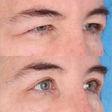
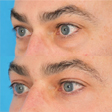
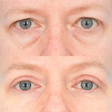
Once you heal, you will begin to notice improvements in your eyes and appearance. You can also enjoy reduced eye redness and better-defined, restored eyelid contours. You will likely be able to open and close your eyes more comfortably, and chronic exposure, dryness, and corneal irritation may be alleviated. This procedure will also eliminate the bulging look, delivering a more natural and symmetrical appearance.
Corresponding Procedures
Double Eyelid Surgery
A double eyelid surgery creates an upper eyelid crease for patients with a double eyelid fold. It aims to enhance the appearance of the eyes by giving them a more defined and open appearance. This procedure is ideal for someone who is seeking a more noticeable eyelid crease to enhance their facial symmetry, increase their self-confidence, and achieve a more alert and awake appearance.
Brow Lift
A brow lift is a cosmetic procedure that reshapes the eyebrows and smooths the forehead to create a more youthful appearance. It aims to reduce the appearance of wrinkles, frown lines, and other signs of aging in the forehead and brow area. This procedure is ideal if you are experiencing soft tissue sagging and dropping skin around your eyes, which creates a “tired appearance” as a result of natural aging. (3)
Cost of Eyelid Retraction Repair and Orbital Decompression in Chicago, IL
The cost of eyelid retraction repair and orbital decompression varies depending on the severity of the concerns and the patient’s overall goals for the procedure. The team at Chicago Oculofacial Plastic Surgery will provide a detailed cost outline during your personal consultation. Schedule your appointment online or by calling our office at (312) 888-5754 to explore your options.
FAQ
Why is it better to combine eyelid retraction repair with an orbital decompression?
Combining these two procedures resolves both functional and aesthetic issues at the same time. It also streamlines recovery time, minimizes surgical trauma, and lowers medical costs.
What does an eyelid retraction repair and orbital decompression procedure target?
An eyelid retraction repair and orbital decompression procedure targets the physical bulging of the eyes and the abnormal widening of the eyelids. Together, this procedure treats the underlying volume expansion in the eye socket and the aesthetic/functional position of the eyelids.
What are the benefits of an eyelid retraction repair and orbital decompression procedure?
This procedure may improve vision, relieve bothersome eye pressure, restore natural and symmetrical facial appearance, eliminate dry eyes, and more.
Can I pair an eyelid retraction repair and orbital decompression procedure with any other treatments?
Dr. Phelps can guide you through which procedure will best pair with your eyelid retraction repair and orbital decompression procedure for optimal results.
How long is the recovery for an eyelid retraction repair and orbital decompression procedure?
Your initial recovery for your eyelid retraction repair and orbital decompression procedure lasts one to two weeks, with long-term results settling in after a few months.
Who is a good candidate for an eyelid retraction repair and orbital decompression procedure?
Good candidates are individuals experiencing eye bulging, eyelid retraction, discomfort, vision changes, or difficulty closing their eyes due to thyroid eye disease or other orbital conditions. During your consultation, Dr. Phelps will evaluate your symptoms, medical history, and treatment goals to determine whether this combined approach is right for you.
References
- Mehryar Ray Taban. Combined orbital decompression and lower eyelid retraction surgery. Journal of current ophthalmology. 2018;30(2):169-173. doi:https://doi.org/10.1016/j.joco.2017.12.003
- Kim SH, Kang SM. Changes in Eyelid Parameters after Orbital Decompression according to the Surgical Approach in Thyroid Eye Disease. Korean journal of ophthalmology : KJO. 2021;35(6):421-428. doi:https://doi.org/10.3341/kjo.2021.0035
- Rafi S. Bidros, Hector Salazar-Reyes, Jeffrey D. Friedman, Subcutaneous Temporal Browlift Under Local Anesthesia: A Useful Technique For Periorbital Rejuvenation, Aesthetic Surgery Journal, Volume 30, Issue 6, November/December 2010, Pages 783–788, https://doi.org/10.1177/1090820X10386929